Single Point of Failure: Why a Suspended Account Stalled a 14k-Star Project and What It Means for Your Development Performance
The open-source ecosystem is the bedrock of modern software development, fueling innovation and efficiency across industries. Yet, this collaborative landscape is not without its vulnerabilities. A recent incident on GitHub's community discussions starkly illustrates a critical, often overlooked risk: the single point of failure. When a widely used project relies solely on one individual, their sudden unavailability can paralyze the entire effort, jeopardizing security, halting progress, and creating significant downstream impact for every team that relies on it.
The Unfolding Crisis: A 14k-Star Project Left Adrift
The discussion, initiated by user aslosti, detailed a dire situation. Their GitHub account, the sole owner of the maillab organization, was suspended. This suspension left cloud-mail, a 14,000-star open-source project, entirely without active maintenance. The consequences were immediate and severe: critical security issues could not be addressed, and new releases were impossible to publish. For a project with such a broad user base, this isn't just an inconvenience; it's a significant security exposure and a complete halt to development progress, putting thousands of users at risk.
Beyond the Incident: The Systemic Problem of the "Bus Factor"
This isn't an isolated incident; it's a stark reminder of the "bus factor" – a measure of how many key individuals would need to be hit by a bus (or, in this case, have their GitHub account suspended) before a project stalls due to a lack of knowledge or access. In open source, where contributions are often voluntary and maintainer burnout is real, the bus factor can be alarmingly low for even widely adopted projects.
For dev teams, product managers, and CTOs, this incident highlights a critical blind spot in dependency management. How many of your core libraries, frameworks, or tools rely on a single, potentially vulnerable point of failure? Without clear visibility into the health and maintainer diversity of your open-source dependencies, you're building on a foundation of unknown risks.
Impact on Development Performance and Delivery
The ripple effect of such an incident extends far beyond the immediate project. For organizations leveraging cloud-mail, this suspension means:
- Security Vulnerabilities: Unpatched security flaws can become critical attack vectors, leading to data breaches or system compromises.
- Stalled Feature Development: If your product roadmap depends on updates or new features from a critical open-source component, your own delivery timelines are directly impacted.
- Compliance Headaches: Industry regulations often require up-to-date software and timely security patches. An unmaintained dependency can create significant compliance challenges.
- Increased Internal Overhead: Teams might be forced to fork the project, take on maintenance themselves, or scramble for alternative solutions, diverting valuable resources from core product development.
This scenario underscores why a robust development performance review of your external dependencies is as crucial as reviewing your internal codebases. Without it, your team's productivity and ability to deliver can be severely hampered by external factors.
Mitigating the Risk: Strategies for Resilience
So, what can be done to prevent such disruptions and build more resilient software supply chains?
For Open Source Maintainers:
- Multi-Owner Organizations: Never be the sole owner. Ensure at least two trusted individuals have administrative access to your organization and critical repositories.
- Succession Planning: Document who takes over in an emergency and how.
- Community Engagement: Foster a strong community of contributors. The more active contributors, the higher the bus factor.
- Clear Documentation: Ensure project setup, build processes, and release procedures are well-documented and accessible.
For Consuming Organizations (Dev Teams, Product Managers, CTOs):
- Dependency Audits &
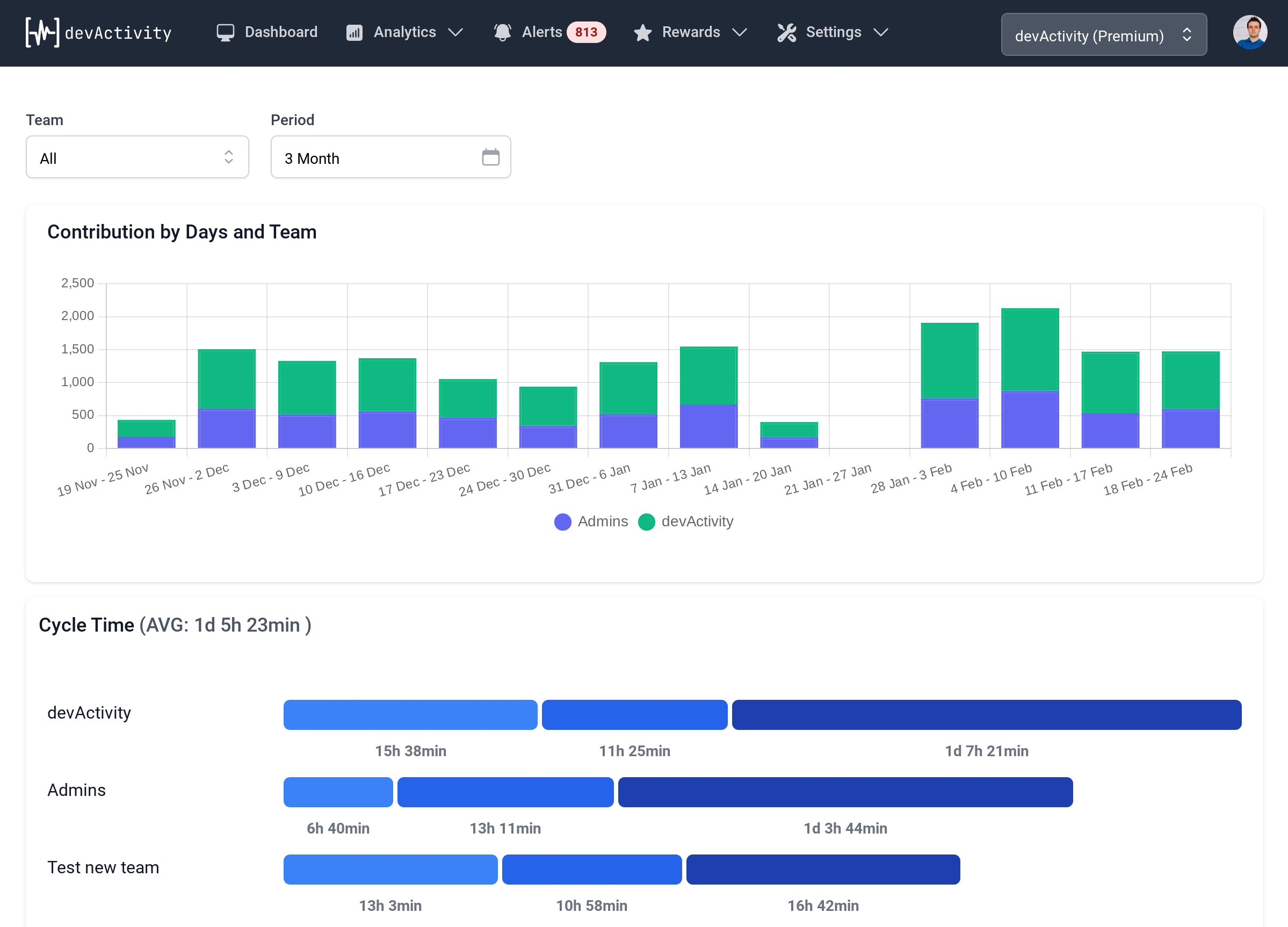
Software Performance Measurement Tools: Regularly audit your critical open-source dependencies. Implementsoftware performance measurement toolsand dashboards that provide insights into dependency health, maintainer activity, and bus factor. Tools that track contribution velocity, issue resolution times, and the number of active maintainers can be invaluable. - Bus Factor Assessment: Actively assess the bus factor of your most critical open-source components. If a key dependency has a low bus factor, it should flag as a high-risk item in your
software metrics dashboard. - Strategic Contribution: If you heavily rely on a project with a low bus factor, consider contributing resources (code, documentation, funding) to help improve its sustainability and resilience.
- Contingency Planning: Develop strategies for what happens if a critical dependency becomes unmaintained or compromised. This might involve internalizing maintenance, identifying alternative solutions, or even forking the project.
- Supply Chain Security: Utilize automated tools for vulnerability scanning and license compliance. Integrate these into your CI/CD pipelines to catch issues early.
The Role of Platforms
Platforms like GitHub also play a crucial role. While account suspensions are necessary for security, the incident highlights the need for expedited support processes for critical open-source projects. Clear pathways for emergency access or temporary transfer of ownership could prevent widespread disruption.
Conclusion
The aslosti incident serves as a potent reminder that the health of the open-source ecosystem is a shared responsibility. For dev teams, product managers, and CTOs, it’s a call to action to move beyond simply consuming open source and towards actively managing its associated risks. By leveraging software performance measurement tools to gain visibility into dependency health, conducting thorough development performance review of your external components, and fostering a culture of proactive risk management, organizations can build more resilient systems and ensure their development performance remains robust, even when the unexpected happens. Don't let a single point of failure derail your next release.