Streamlining Security: Automating Advisory Publication for Enhanced Remote Developer Productivity
In the fast-paced world of software development, managing security vulnerabilities effectively is paramount. Yet, the process of communicating these fixes can often be a manual, error-prone task that detracts from core development efforts. A recent discussion on GitHub Community highlights a common pain point and proposes an elegant solution that could significantly boost remote developer productivity and enhance development quality metrics.
The Manual Burden of Security Advisory Publication
The discussion, initiated by user Pr0methean, zeroes in on a specific challenge: the manual scheduling of security advisories. After a team releases a fix for a security issue, there's a critical window where the fix is available, but the advisory isn't yet public. This allows users time to update their systems and report any immediate update-blocking issues, giving developers a chance to address them before the vulnerability is widely known.
Currently, managing this window often involves setting manual calendar reminders to publish the security advisory on a predetermined date. This approach, while functional, introduces unnecessary administrative overhead and is susceptible to human error. For development teams, especially those operating remotely, such manual tasks can disrupt workflow, reduce focus, and ultimately impact overall efficiency.
A Vision for Automated Advisory Scheduling
Pr0methean's feature request is straightforward yet powerful: the ability to schedule security advisories for automatic publication at a later date. Imagine a scenario where, upon releasing a security fix, a developer could simply set a future publication date for the corresponding advisory within GitHub. This would allow teams to:
- Release the fix immediately.
- Provide a buffer period for users to update and report issues.
- Automatically publish the advisory without needing manual intervention.
This automation would free developers from the mental load of remembering to perform a specific action on a specific date, allowing them to concentrate on more complex coding tasks. It's a clear win for remote developer productivity, as it streamlines a critical security workflow and reduces the need for synchronous coordination around publication times.
Enhancing Development Quality Metrics Through Automation
Beyond individual productivity, such a feature has broader implications for development quality metrics. Consistent and timely communication of security vulnerabilities and their fixes is a hallmark of a mature development process. Automated scheduling ensures that advisories are published precisely when intended, reducing the risk of either premature disclosure (before users have had a chance to update) or delayed disclosure (leaving users vulnerable for longer than necessary).
The GitHub Actions bot's swift response to the discussion acknowledged the feedback, highlighting that such input is invaluable for shaping future product improvements. While there's no immediate solution, the acknowledgment confirms that GitHub's product teams review these submissions, indicating potential future consideration.
The Broader Impact: A Smarter Development Dashboard
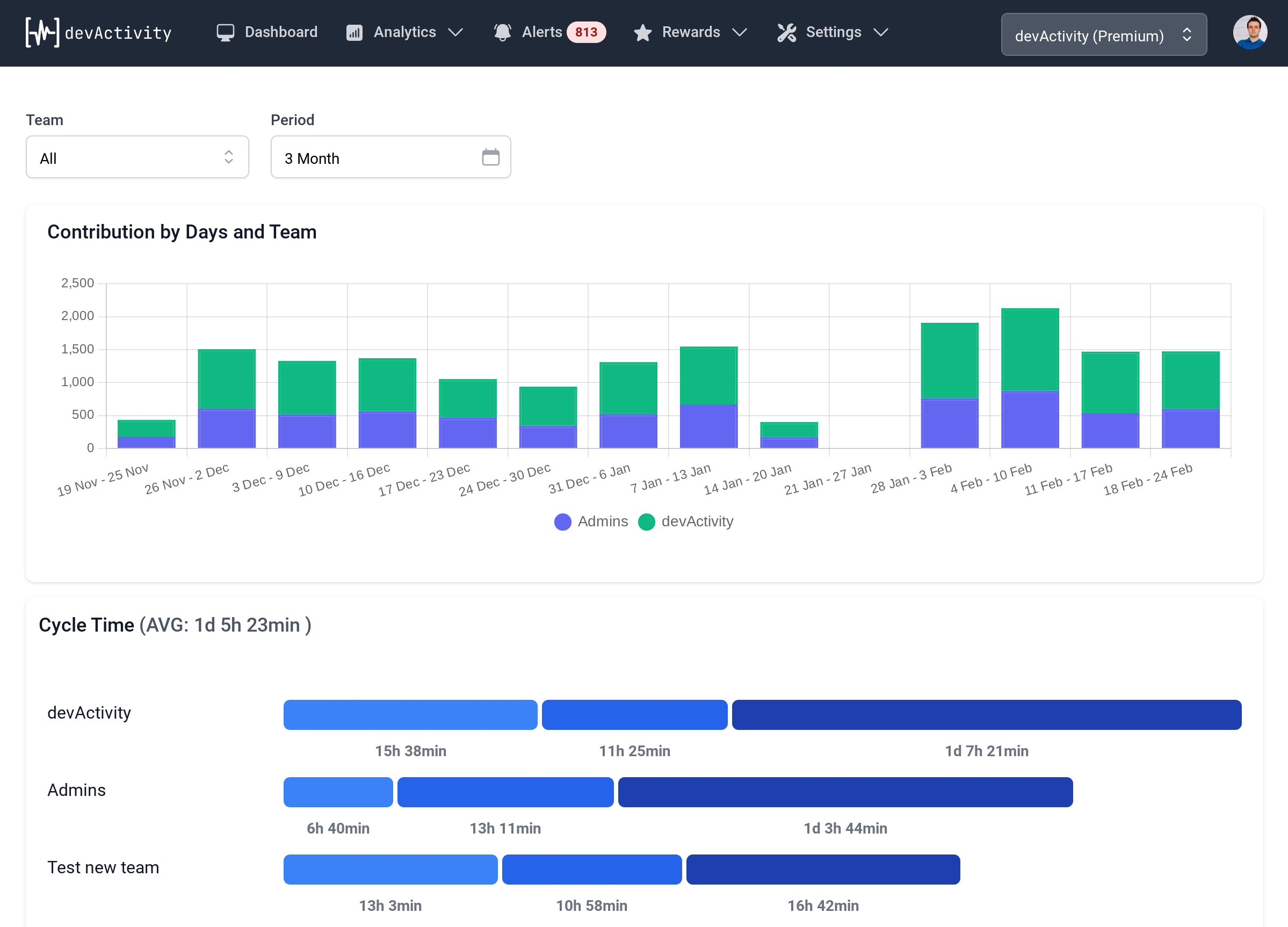
Incorporating features like scheduled security advisory publication contributes to a more efficient and secure development lifecycle. When administrative tasks are automated, teams can allocate more resources to innovation and problem-solving. This shift can even be reflected in a comprehensive development dashboard, where metrics related to security response times and developer efficiency show tangible improvements.
Ultimately, the call for automated security advisory publication underscores a growing demand for intelligent tools that support developers in managing the complexities of modern software. By embracing automation, platforms like GitHub can empower teams to maintain high security standards while simultaneously boosting their productivity and overall development quality.