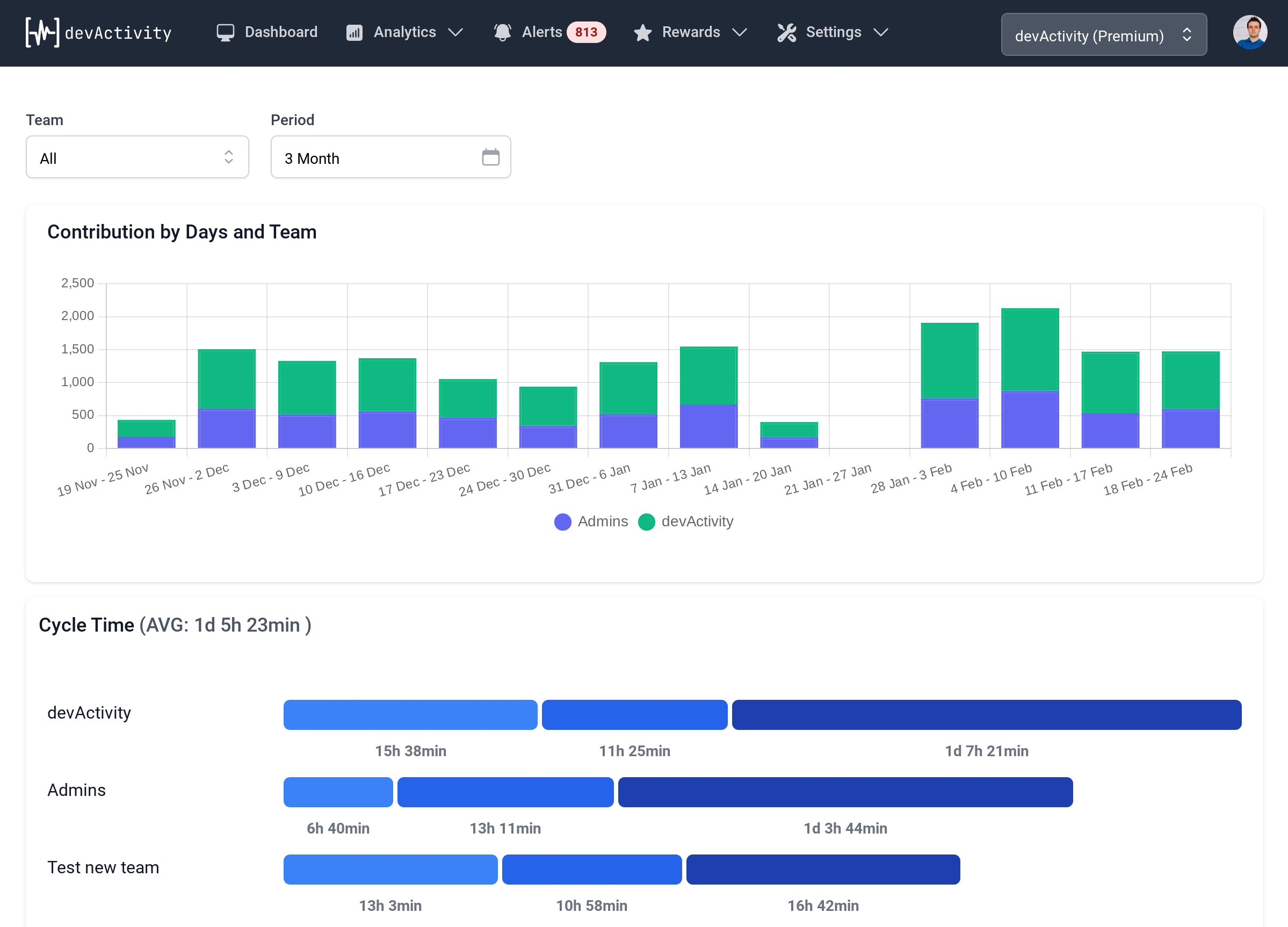
Beyond the Dashboard: Why Accurate Git Attribution is Critical for Your GitHub KPIs
In the world of software development, accurate data is the bedrock of informed decision-making. From tracking project velocity to evaluating individual contributions, reliable metrics are essential for dev teams, product managers, and CTOs alike. Yet, a subtle misconfiguration in your Git setup can silently corrupt these vital statistics, leading to phantom contributors, skewed github kpis, and a misleading github dashboard.
A recent discussion on the GitHub Community forum, initiated by user Sandwichease, brought a perplexing issue to light: an unexplained contributor appearing on two repositories, despite never having committed any code. This wasn't a simple cache problem; it pointed to a deeper, more technical root cause with significant implications for how we measure and understand team productivity.
The Mystery of the Phantom Contributor
Sandwichease's dilemma was straightforward yet frustrating. The GitHub account shubh2294 was listed in the Contributors section and returned by the GitHub REST API for both their VoxelCraft and website projects. The catch? shubh2294 had no actual commits. Sandwichease had already taken diligent steps: checking the API, verifying commit history, correcting author/committer identities, and even force-pushing a clean main branch. Still, the phantom persisted.
This scenario highlights a critical challenge: when our tooling provides conflicting information, how do we trust the data that drives our decisions? For dev teams striving to meet software engineer performance goals, or delivery managers reporting on team output, such discrepancies can undermine confidence and lead to incorrect conclusions.
The Technical Deep Dive: GitHub's Noreply Email Resolution
The solution, brilliantly uncovered by community member 100rootrain, reveals a crucial detail about how GitHub attributes contributions, particularly when using its users.noreply.github.com email addresses. GitHub doesn't primarily rely on the username in these emails; instead, it uses the numeric ID embedded within the email address to link commits to specific accounts.
The format is ID+username@users.noreply.github.com. In Sandwichease's case, their commits were being made with an email like 12345678+Sandwichease@users.noreply.github.com. While the username part correctly indicated 'Sandwichease', the numeric ID 12345678 actually belonged to the shubh2294 account. Sandwichease's correct ID was 185949178. This meant that every commit made with the incorrect 12345678+ email was being attributed to shubh2294, effectively creating a "phantom contributor" out of thin air.
This subtle distinction is often overlooked but has profound consequences for accurate github kpis and contributor recognition. It's a powerful reminder that even seemingly minor configuration details can significantly impact the integrity of our development metrics.
The Ripple Effect: Why Accurate Attribution Matters for Your Team and Leadership
Beyond the technical curiosity, misattributed contributions have tangible negative impacts across the organization:
- Skewed GitHub KPIs: Metrics like individual contribution percentages, lines of code, or commit frequency become unreliable. This directly affects the accuracy of your github dashboard and any reports derived from it.
- Impact on Software Engineer Performance Goals: When contributions are misattributed, actual contributors might not receive due recognition, potentially affecting performance reviews, promotions, and morale. Conversely, others might appear to contribute more than they actually did.
- Misleading Project Insights: For product and delivery managers, inaccurate contributor lists can distort understanding of team capacity, resource allocation, and project velocity. It becomes harder to identify bottlenecks or celebrate genuine team successes.
- Erosion of Trust: For CTOs and technical leaders, data integrity is paramount. When core metrics are unreliable, it erodes trust in the system and the data used for strategic planning and team health assessments.
Proactive Measures: Ensuring Git Hygiene and Data Integrity
Preventing such issues is simpler than fixing them after the fact. Here's how dev teams and leaders can foster better Git hygiene:
For Developers:
- Set Your Global Git Email Correctly: Always configure your
user.emailwith your specific GitHub noreply address. You can find this under your GitHub Settings → Emails. It should look likeYOUR_ID+YOUR_USERNAME@users.noreply.github.com. Usegit config --global user.email "YOUR_ID+YOUR_USERNAME@users.noreply.github.com". - Verify Before Pushing: Before pushing significant changes, especially after re-basing or squashing, use
git log --format='%h %ae %ce'to quickly inspect the author and committer emails. - Beware of Copy-Pasting: When copying Git commands or configurations from examples, always double-check that placeholder IDs or usernames are replaced with your actual details.
For Teams and Leaders:
- Establish Git Commit Guidelines: Document clear standards for commit messages, author information, and email configurations.
- Integrate Pre-Commit Hooks: Consider implementing client-side Git hooks that validate commit author emails against a regex or a list of approved team emails.
- Regularly Review Dashboards: Encourage team leads and delivery managers to periodically review the contributor lists on their github dashboards for any anomalies. A quick glance can often catch issues before they become widespread.
Correcting Past Mistakes: A Step-by-Step Guide
If you discover misattributed commits, correcting them requires rewriting Git history. This is a powerful operation that should be performed with caution, especially on shared repositories. Always communicate with your team before force-pushing.
Following 100rootrain's advice, here's a general approach using git-filter-repo:
- Update Your Global Git Config: Ensure your
user.emailis correctly set to your GitHub noreply address with your actual numeric ID. - Rewrite History with
git-filter-repo: This tool is excellent for safely rewriting history. For example, to replace a specific incorrect ID:git filter-repo --email-callback 'return email.replace(b"OLD_ID+OLD_USERNAME", b"YOUR_ID+YOUR_USERNAME")' - Re-add Remote and Force-Push:
git filter-reporemoves theoriginremote. You'll need to re-add it and then force-push your corrected branch. Be absolutely certain of your changes before force-pushing to a shared branch.git remote add origin https://github.com/YourOrg/YourRepo.git git push --force origin main
After correcting the history, GitHub's contributor statistics will eventually refresh. For the homepage contributor box, switching the default branch to another and then back can often trigger an immediate refresh.
Beyond the Code: Fostering a Culture of Data Accuracy
This incident underscores that accurate contributor attribution isn't merely a cosmetic detail; it's fundamental to effective team management and strategic decision-making. For technical leaders, ensuring the integrity of your development data means more than just having the right tools; it means fostering a culture of meticulous Git hygiene and understanding the nuances of how platforms like GitHub interpret our actions.
By proactively addressing these configurations, we empower our teams with reliable data, ensure fair recognition for software engineer performance goals, and build a more trustworthy and transparent development environment.
Conclusion
The mystery of the phantom contributor serves as a valuable lesson: a small oversight in Git email configuration can have significant ramifications for your github kpis, team morale, and the accuracy of your github dashboard. For dev teams, product managers, delivery managers, and CTOs, understanding these technical nuances is crucial for maintaining data integrity and making informed decisions. Prioritize Git hygiene, educate your teams, and ensure your contributions are always attributed correctly. Your data—and your team—will thank you for it.